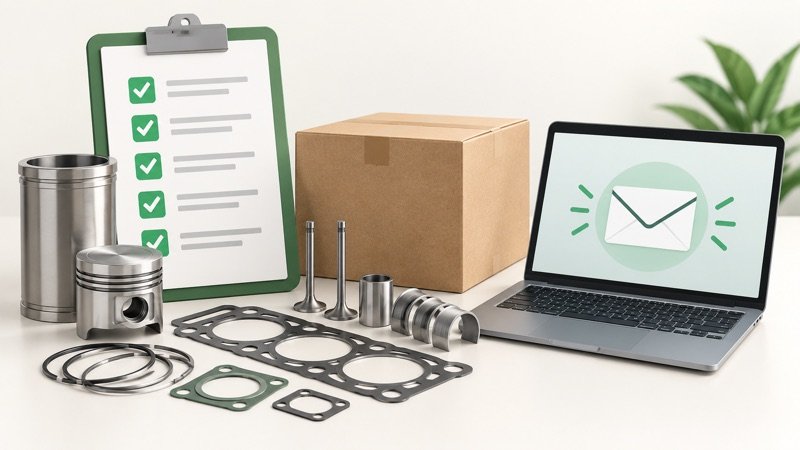
Two Weichai parts quotes can look comparable until the details start moving. One offer lists a complete assembly, another lists a single component, and both use the same familiar part name. A low figure may leave accessories, freight or evidence outside the price. That makes approval difficult for an overseas buyer and receiving team. We solve the problem by putting each offer on the same comparison sheet, identifying every uncertainty and asking suppliers to clarify differences before a purchase decision.
We compare quotations line by line using the full reference, equipment identification, manufacturer or brand, condition, included components, quantities and price units. Then we record the proposed delivery rule, named place, timing, payment terms and available supporting evidence. We do not assume that two references are interchangeable or that a set contains the same items across suppliers. We request written clarification, calculate a comparable commercial scope and obtain the appropriate technical approval before accepting a substitution or releasing an order.

The following checklist helps our distributors, workshops and fleet buyers turn different quotation formats into a clear decision record, while keeping unresolved technical and commercial questions visible to every reviewer.
What information should every supplier receive?
I start by sending each supplier the same equipment identification, complete part references, requested quantities and intended delivery destination. Include the engine model and serial number when available, along with clear photographs or catalogue information. If the workshop has not confirmed a reference, flag it as an open question. An identical request does not guarantee identical answers, but it gives us a fair starting point for comparing the differences that suppliers actually propose.
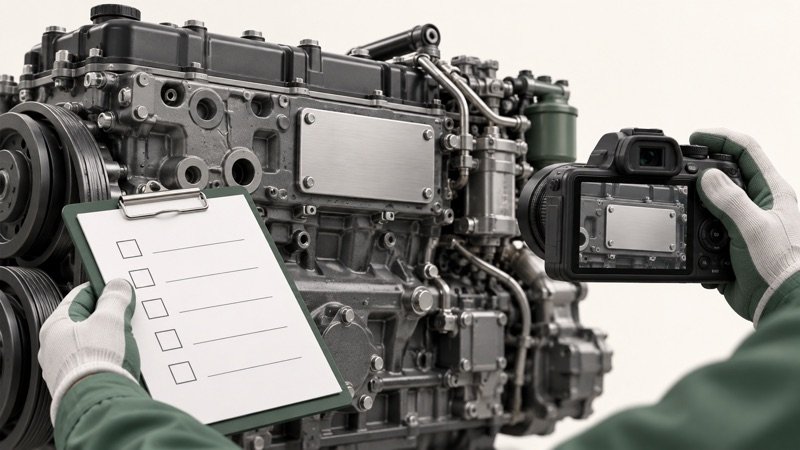
Give every requested item a line number and retain it in each revision. A water pump, a cylinder head gasket and an oil pump should be separate entries, even when ordered together. We ask the relevant technician to verify the application for each one. Similar descriptions or engine family names alone do not establish fitment, supersession or interchangeability.
How do I compare brand, origin and condition?
The offered brand, manufacturer and supply condition should appear on each line, not just in a cover email. Ask whether the item is new, remanufactured or supplied under another stated condition, and request the evidence available for that exact offer. Brand names and descriptions need careful interpretation. We would not treat a photograph, attractive packaging or a broad claim of authenticity as conclusive proof of a particular item’s source.
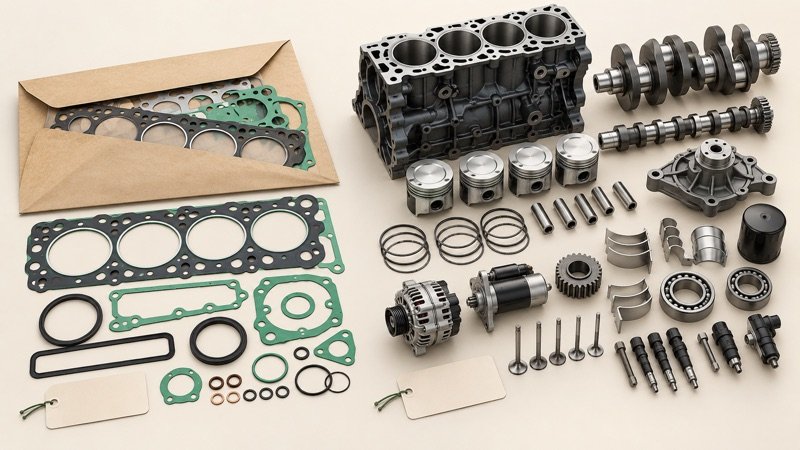
If an offer uses terms such as genuine, original equipment or aftermarket, ask the supplier to explain precisely what is being offered and provide the relevant traceability information. Do not infer an authorized relationship from a logo or a catalogue reference. If the buyer requires a specified brand or documented provenance, record that requirement before price comparison. A useful answer identifies what evidence is available and what still requires independent confirmation.
What is included in each quoted line?
We then compare the physical supply scope. One quotation may describe a pump assembly while another prices a pump without separately supplied fittings or seals. Ask suppliers to identify the offered reference and list included and excluded components. A kit is defined by its stated contents, not by the size of its box. If an accessory is optional, place it on a separate row so that we can compare the same purchase.

Units matter just as much. Record whether the quoted quantity means pieces, assemblies or explicitly defined sets, and verify the number of items per unit. We ask for missing line prices and any minimum quantity in writing. Keep a separate column for unresolved scope rather than inserting a zero and hoping for the best. A blank spreadsheet cell is not a complimentary gasket; it is a question waiting to be asked.
How should proposed alternatives and evidence be reviewed?
A proposed alternative deserves its own approval trail. Record the requested reference, offered reference, reason for the proposal and the information supplied for technical review. We ask the responsible workshop or equipment specialist to assess the actual application against applicable documentation. Keep the alternative unapproved until the buyer’s designated reviewer accepts it. No reference number in a generic example should be treated as a universal replacement or a guaranteed fit.
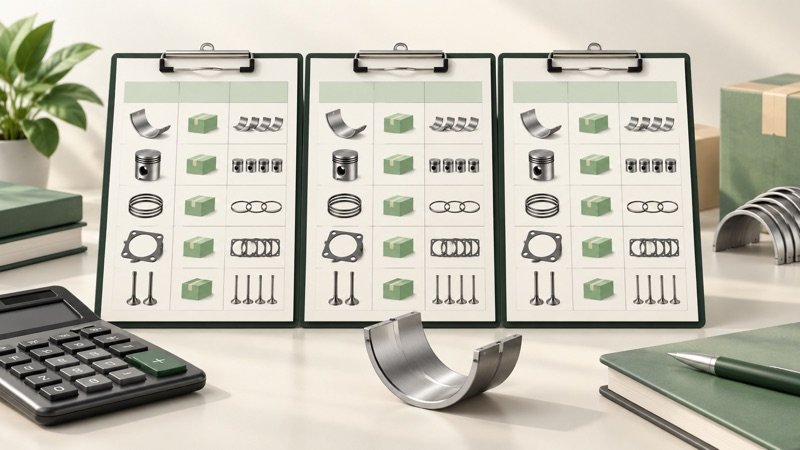
Quality evidence should also match the offer. Ask what inspection records, product identification or traceability documents can be supplied for the specific line and quantity. Check who issued each document, what it covers and whether it corresponds to the item being offered. Where a certificate is important to the buyer, request a verifiable copy and check its scope with the issuer where possible. For items represented as genuine Weichai parts, consult Weichai’s official authenticity guidance for the applicable verification process. An impressive document title alone does not prove the goods meet a particular specification.
Which commercial terms belong in the comparison?
Next, we normalize commercial terms. Compare currency, unit price, quantity, packing, named delivery place and services included in each offer. The International Chamber of Commerce explains that Incoterms rules address obligations, risk and costs, but do not replace the sales contract. Agree the chosen rule, named place and version with the supplier. Payment, warranty and dispute provisions need their own written agreement.
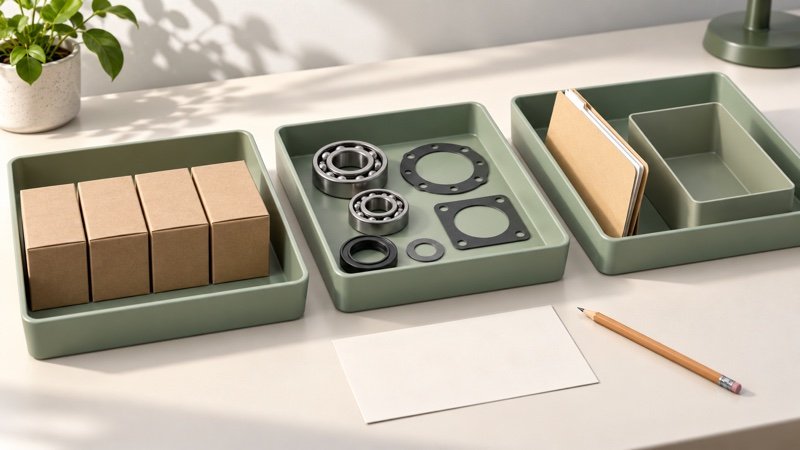
I keep unconfirmed charges in a separate column rather than treating them as free. Ask for the proposed packing, freight, insurance where relevant, payment conditions and validity period. The buyer and forwarder should confirm the costs and requirements for the actual destination. If timing is critical, distinguish a supplier’s proposed readiness date from an agreed delivery commitment. Compare the full stated scope before deciding whether a lower line price is actually useful.
What should I check before approving and shipping?
Before dispatch, reconcile the accepted order, commercial invoice and packing list. The International Trade Administration describes these as different documents, with the packing list not replacing the commercial invoice. Its packing list guidance also explains that package contents, weights and measurements are itemized. We ask the importer and forwarder to check the document requirements for the actual shipment and flag any mismatch for correction.
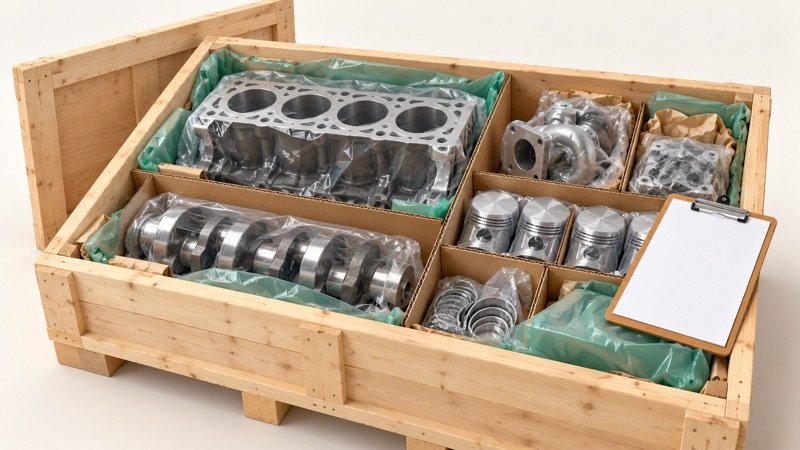
Keep the approved quotation revision with its line references, quantities, chosen supply conditions and open issues. If the supplier changes a brand, scope, price or proposed date, record the change and obtain the appropriate approval before release. Through our contact page, send the equipment identification, complete references, quantities, destination and any documents you want compared. We can organize those details into a clear quotation discussion and identify what still needs confirmation.
Conclusion
Compare the same references, scope and commercial terms, then resolve substitutions and evidence before approval. Contact Weichaistore with your parts list and destination to discuss an itemized enquiry.