A low price for a Weichai engine part can hide an expensive mismatch. The reference looks familiar, but the housing, electrical configuration or package quantity differs from the repair requirement. Buying first and asking questions later creates a second purchasing job. I prefer to agree the parts list before comparing different overseas supplier totals. At Weichaistore, our approach starts with engine identity, workshop findings and itemized scope. This guide turns ten useful part types into a clearer overseas repair enquiry.
I prepare a Weichai engine repair order by identifying the engine and confirming which parts the workshop actually needs. I check the exact references, configuration, quantities and supplied condition for each line. Our ten-part checklist covers injection, cooling, belt drive, starting, charging, sealing and piston rings. Request origin evidence, agreed inspection records and equivalent commercial terms. Send us readable engine identification and an itemized enquiry. Approve only the confirmed repair scope; a useful checklist is not a universal replacement kit.
Below, I explain exactly what to request for each part type, how to separate fitment from authenticity and how our buying team can compare supplier offers without collecting unnecessary spares.
Which ten part types does our repair checklist cover?
I use these ten types as a purchasing checklist, selecting the items our repair assessment requires. Weichai Power’s official parts catalogue includes water pumps and piston rings among its engine components. Our table adds practical enquiry fields. It is our worksheet, not a manufacturer replacement schedule, a price ranking or a promise that every variant is available.
| Part type | Identification to request | Configuration or scope to confirm |
|---|---|---|
| 1. Fuel injector | Engine and injector references | Fuel-system variant, condition and test evidence |
| 2. Water pump | Part reference and installed pump | Housing, pulley and connections |
| 3. Thermostat | Engine and thermostat references | Specified opening temperature and housing |
| 4. Fan belt | Belt reference and drive arrangement | Profile, length and quantity |
| 5. Belt tensioner | Reference and mounting layout | Pulley and assembly supply scope |
| 6. Starter motor | Engine and starter identification | Voltage, mounting and drive details |
| 7. Alternator | Engine and alternator identification | Electrical rating, pulley and connectors |
| 8. Cylinder head gasket | Engine and gasket references | Variant, thickness and included pieces |
| 9. Crankshaft seals | Front or rear position and reference | Specified dimensions, material and quantity |
| 10. Piston ring set | Engine, piston and ring references | Size, ring configuration and set contents |
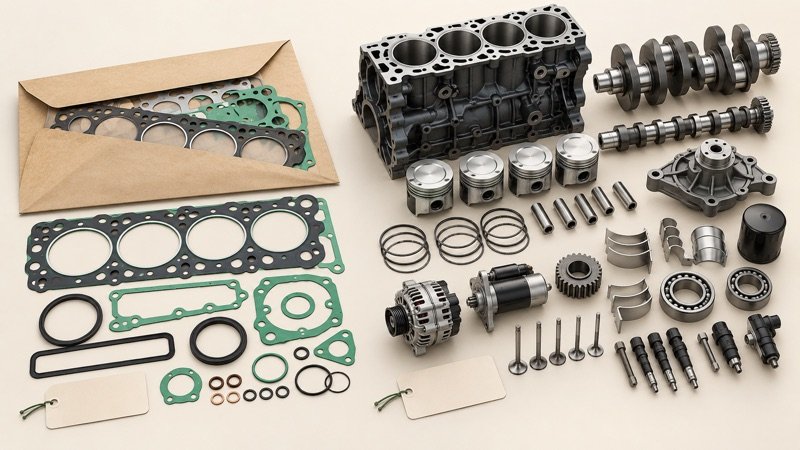
The table helps us ask focused questions. Our water pump, starter motor and alternator pages provide specific enquiry starting points. Match any proposed reference to the actual engine and installed configuration. A page title or familiar product photograph does not replace confirmation. Have the workshop identify the repair need before adding items to the order.
How do I confirm fitment and the right order quantity?
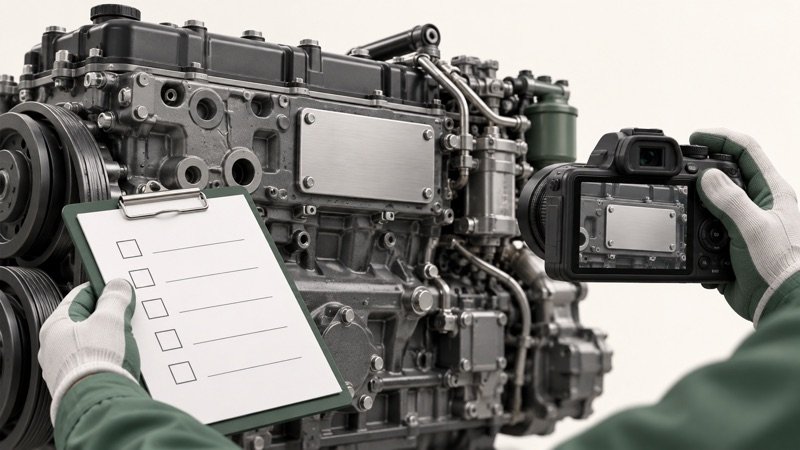
I record the full engine model, suffix, serial number and equipment application. Request readable nameplate and old-part photographs, plus the workshop’s parts list or catalogue references. Keep the engine identity attached to each enquiry revision. If the old part’s number is unclear, mark it unresolved and ask for confirmation instead of treating a similar-looking item as an approved substitute.
I also confirm order units. A piece, pair, cylinder set and engine set can represent different supplied quantities. Ask what each quoted unit contains and reconcile it with the repair list. For distributors, keep lines for different engine variants separate. One attractive unit price is less attractive when the missing quantity arrives as a surprise invoice.
Which measurements and configurations need technical approval?
I request the workshop’s relevant measurements and the manufacturer’s specified configuration. That can include ring size, gasket variant or seal position, depending on the item. Ask the supplier to state the offered dimensions or configuration against those requirements. Record who approves any difference. Purchasing should organize the evidence; the responsible workshop or engineer should approve technical suitability.
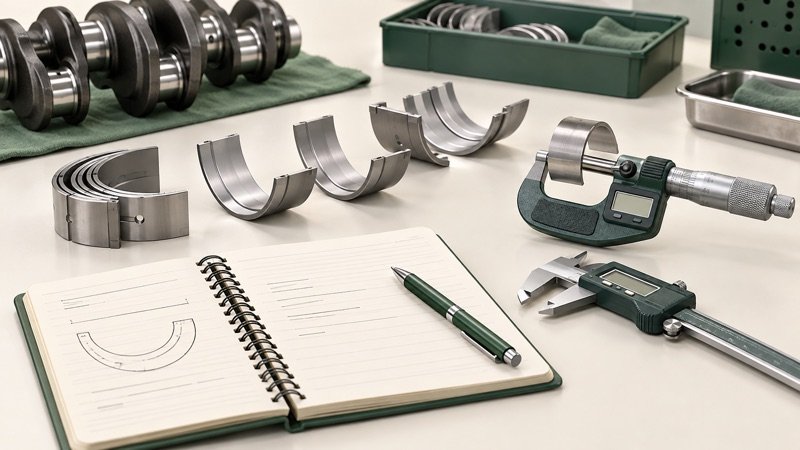
I separate origin checks from fitment checks. Weichai’s official verification guidance describes anti-counterfeit marks and an overseas dot-matrix photo-verification process. Ask which route applies to items sold as genuine. Retain the relevant verification result with the order record. A logo or reference number alone is not the evidence I would use to approve authenticity, compatibility and condition together.
How do I verify parts origin and supplied condition?
I require the supplier to declare whether the offered item is new, used or remanufactured. Ask for photographs and records appropriate to that condition, with identification matching the supplied item. Agree inspection requirements before approval. For injectors or other items offered with test records, identify the tested reference, stated conditions and issuer. An unrelated report does not answer our purchasing question.

I clarify the support route and written warranty responsibility. Weichai’s service network lists regional contacts that can help investigate support. Confirm the actual model, purchase channel and applicable coverage. Record the claim procedure, exclusions and overseas cost allocation. A service contact is a starting point for checking arrangements, rather than a blanket warranty for everything in the carton.
How do I compare costs without changing the repair scope?
I compare quotations only after references, condition, quantities and supply scope match. ITA’s pro forma invoice guidance identifies item prices, payment terms, weights, dimensions, delivery point, estimated shipping date and validity as useful fields. Request separate prices for parts, inspection, packing and transport. Keep unconfirmed charges visible. The cheapest total should not win merely because its exclusions are unusually quiet.
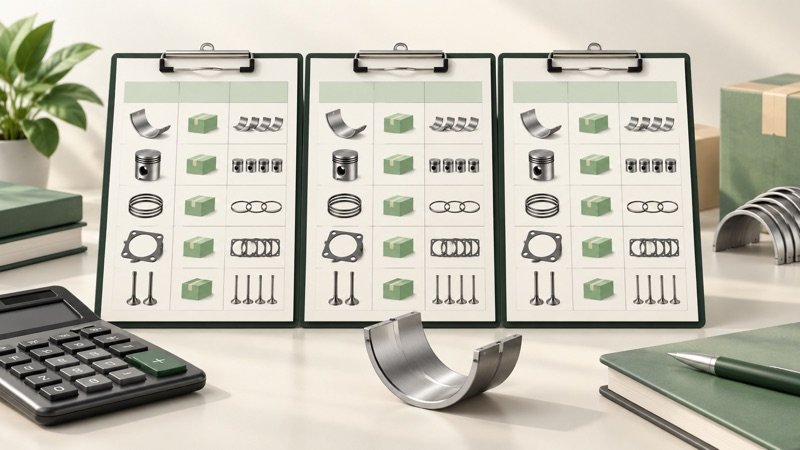
I state the delivery rule, version and named place. ICC’s Incoterms 2020 guidance explains allocation of costs, risks and obligations. Reconcile the offer with our freight plan and destination requirements. For a broader cost review, use our parts purchasing guide. Comparing the same repair scope gives us a clearer commercial decision than promising a universal fuel saving from replacement parts.
What should our RFQ and dispatch record contain?
I issue one request for quotation, or RFQ, with the checklist below. Before dispatch, reconcile item references, quantities, agreed evidence and package labels with the approved order. ITA’s packing-list guidance describes package contents, weights and measurements. Ask for a packing record that maps our order lines to the shipment. Confirm document deadlines and the agreed dispatch schedule with the supplier.
- Full engine identification and equipment application
- Workshop-approved references, quantities and order units
- Required configuration, dimensions and supplied condition
- Requested origin, inspection and relevant test evidence
- Destination, packing records and target dispatch schedule
- Payment terms, delivery basis and approval owners
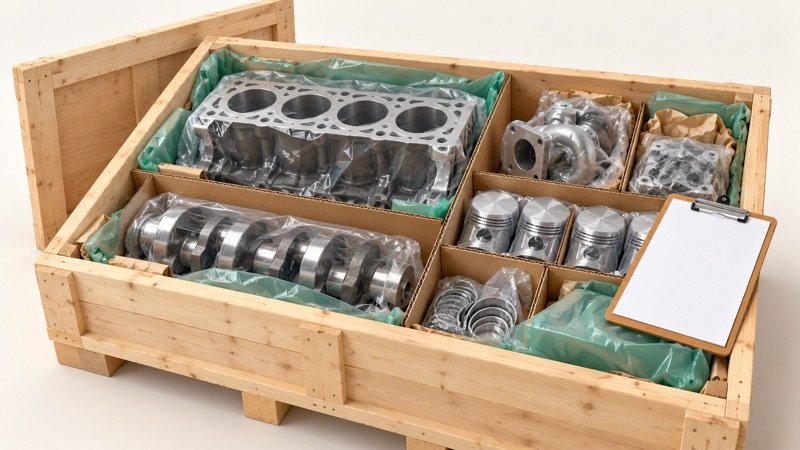
Send the enquiry through our contact page, including readable identification and the workshop’s requested items. Identify urgent repair lines separately from planned distributor replenishment. Ask suppliers to list deviations explicitly and give each outstanding question an approval owner. Before issuing the order, approve one consistent version of the parts list, supporting evidence and commercial terms.
Conclusion
I approve a repair order with clear engine identity, confirmed references and quantities, and separate origin and fitment evidence. Send us the workshop’s itemized requirement for a clearer enquiry. Agree supply condition, acceptance records and delivery responsibilities before dispatch.