Building a Weichai parts shelf from a supplier’s bestseller list can leave a distributor with busy-looking racks and surprisingly quiet sales. Meanwhile, customers ask for a different reference, size or configuration. Money sits in boxes, and your buyer starts collecting urgent quotations again. I recommend building the stock list around verified local demand and clearly identified parts. At Weichaistore, we use the enquiry to clarify what each line means before discussing quantities, replenishment and the scope of an overseas order.
Build your Weichai parts stock list from repeat sales, confirmed unfilled demand and the engine configurations your customers actually maintain. Give each line an exact reference, approved application, order unit and quantity. Separate usable stock, customer allocations and open purchases. Ask suppliers to confirm the offered identity, minimum order, pack quantity, current timing and documentation. We recommend a controlled starting assortment, with review dates and a clear owner for every reorder decision, instead of treating any generic list as universal.

I would work through these six questions before filling a container. The aim is a repeatable purchasing file that your sales, buying and receiving teams can all understand and update.
Which demand records should shape my first stock list?
Start with your own completed sales and customer requests that could not be filled. I would record the date, exact reference, engine details, quantity, customer and outcome. Keep a defined review period so that comparisons cover the same time span. A distributor serving local workshops needs evidence from those workshops; an unrelated export market’s popular list is only a source of questions.
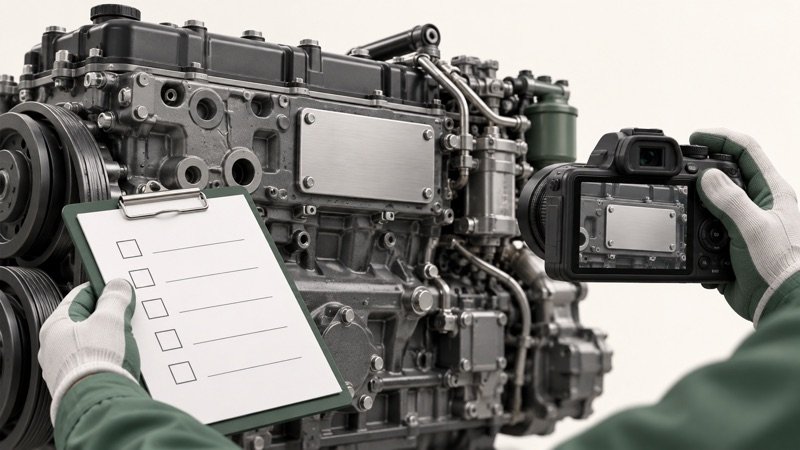
Count one buying requirement once. Several messages about the same repair should not become several independent demand events. Record cancellations, returns and one-off projects separately from recurring orders. I would also distinguish a request lost because the part was unavailable from one lost because its identity was unclear. Both deserve attention, but only the first gives a straightforward signal about a possible stocking gap.
How do I turn engine-family requests into distinct stock lines?
Create a distinct stock line for each approved reference and configuration. Keep the complete engine designation and supporting identification with that line. Our Weichai water pump enquiry page and thermostat 612600061730 page are starting points for identification discussions. They do not establish that every customer using a broad engine-family name needs the same part. Confirm any proposed alternative before combining records.
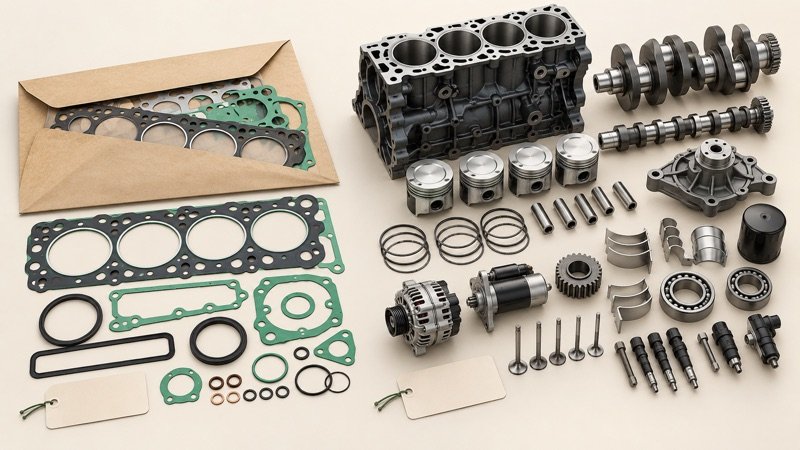
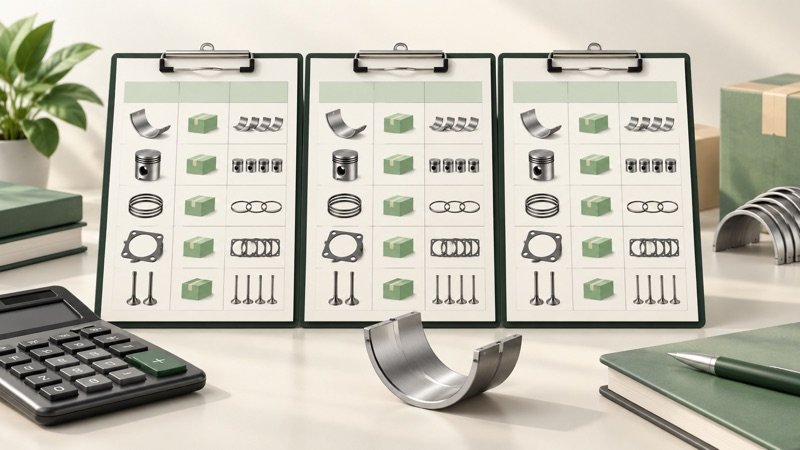
For a cylinder head gasket enquiry using reference 612600040355, I would record the approved reference and order unit rather than a vague gasket category. Apply the same discipline to other parts. A package, an individual component and a defined set need different quantity descriptions. Use the table below as our suggested stock-record template, with unknown fields left visibly awaiting confirmation.
| Record area | What I would keep on each stock line |
|---|---|
| Identity | Exact reference, approved application and physical order unit |
| Demand | Review period, completed sales and confirmed unfilled requests |
| Stock position | Usable quantity, customer allocations and open purchase lines |
| Replenishment | Supplier assumptions, route timing, policy owner and review date |
| Receiving | Package identification, actual receipts and unresolved differences |
Which items deserve shelf space and which should stay on request?
Prioritize repeated demand while reviewing value, variability and customer concentration. ASCM’s explanation of ABC and XYZ inventory classification discusses combining item value with demand variation, and highlights the limitations of simple classifications. That is a useful framework, not evidence that a particular Weichai reference will sell in your country. I would review the underlying orders before assigning a stocking policy to any line.
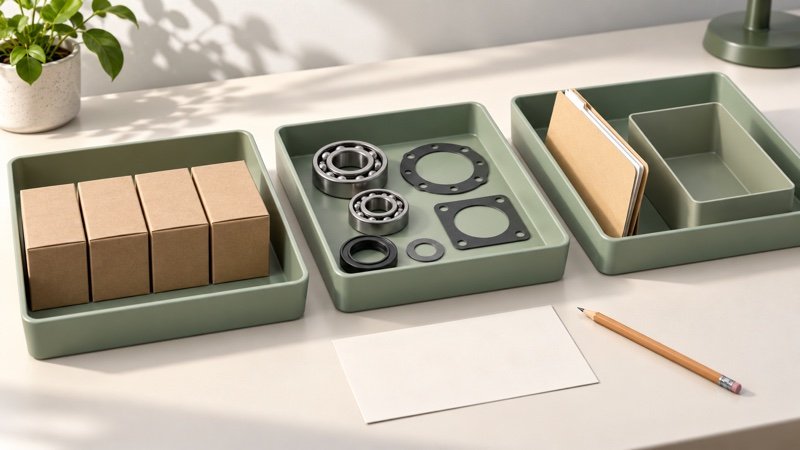
My starting distinction is practical: recurring requirements to replenish, limited quantities to review, and items to quote when requested. A part bought once for a special project should not automatically receive a permanent shelf address. Equally, discuss a customer’s operational need before dismissing an infrequent request. Set the policy with your team and record the reason. A full shelf is an achievement only if somebody needs its contents.
How should I set replenishment and review the list?
Base replenishment discussions on usable stock, customer commitments, open purchases and the demand record for that exact item. Ask the supplier for current order-processing and dispatch assumptions, then include the transport and receiving time relevant to your route. Keep these stages separate. I would choose review dates and any buffer with the buyer responsible for that line, rather than publish a universal months-of-stock rule.

Reconcile the record with physical counts, and investigate differences before ordering more. Hold damaged, returned or unidentified goods outside the quantity you treat as ready to sell until reviewed. Track partial receipts and outstanding purchase lines separately. When a supplier changes the offered reference, pack quantity or timing, revisit the plan. I would give every stock-policy change an owner and date so yesterday’s assumption cannot quietly become tomorrow’s instruction.
What must I confirm before consolidating the supplier order?
Confirm the manufacturer or brand, offered references, order units, minimum quantities, pack multiples and proposed timing in writing. For goods offered as genuine, Weichai’s official parts guidance describes anti-counterfeit identification and dot-matrix photo verification. Use the applicable official route for those checks. Authenticity, correct identification and the quantities agreed for your shipment are separate review questions; a photograph alone should not close them all.
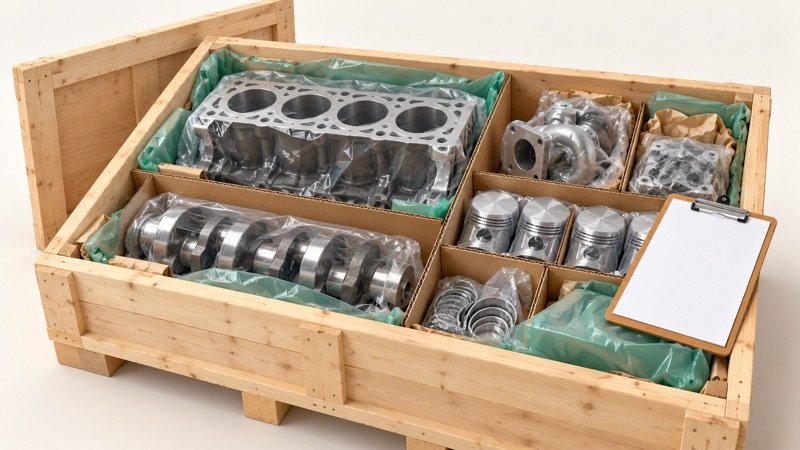
Ask for packaging that keeps different references distinguishable and connects cartons to purchase-order lines. The International Trade Administration describes a packing list as an itemization of package contents, including weights and measurements. I would use it to plan receiving and reconcile delivery, alongside the agreed item list. Clarify how mixed cartons and partial shipments will be identified before dispatch, then retain the documents with the order.
What should I send with my first distributor stock enquiry?
Send us a proposed assortment with exact references, engine information, quantity units and destination. Mark which lines are repeat requirements and which are trial purchases or open questions. Include any previously approved specifications and the packaging arrangement your receiving team needs. This is our distributor purchasing approach, not a claim that these items are available, interchangeable or fast-moving in every market. The request should make your local priorities clear.
Start with an assortment your team can identify, receive and review. After the first order, record what actually sold, what remained available and which requests still could not be filled. Use that review to adjust the next enquiry. If you need broader repair planning, our overhaul parts-list guide addresses a different task: specifying a repair order. Keep that job scope distinct from a distributor’s replenishment policy.
- Exact references with engine identification or approved specifications
- Quantities and clearly defined physical order units
- Repeat, trial and unresolved lines identified separately
- Proposed brand, documentation and alternative-approval requirements
- Packing, mixed-carton and partial-shipment preferences
- Destination and requested timing for the supplier to review
Conclusion
A useful Weichai parts stock list connects local demand, exact item identity and a reviewable replenishment decision. Start with evidence and update the record after receiving and selling. Send Weichaistore your proposed distributor assortment, quantities and destination for an itemized enquiry.