A competitive engine quotation can look excellent while leaving important costs outside the conversation. Installation changes, operating assumptions and service responsibilities may remain unresolved. An overseas buyer can then approve a price without knowing the budget needed to put the engine to work. I prefer to build the comparison before approval. At Weichaistore, our approach connects engine identity, included equipment, operating evidence and commercial scope. This guide helps buyers assess an actual Weichai diesel engine proposal with clearer cost information.
I compare a Weichai diesel engine purchase by confirming the application, exact engine and quoted supply scope first. I assemble the purchase, delivery, installation, fuel and servicing inputs for one agreed period. Separate confirmed quotations from estimates and repair or downtime scenarios. Check condition, acceptance evidence, support responsibilities and destination requirements. Our comparison should show outstanding costs and who must confirm them. Send us engine or parts identification for a clearer enquiry, with technical approval handled by the responsible reviewers.
Below, I organize six purchasing decisions into one cost comparison. We can make the assumptions visible, ask better supplier questions and give engineering and commercial teams a consistent approval record.
Which engine application and variant am I comparing?
I start with the intended application. Weichai’s official powertrain catalogue separates truck, construction, agricultural and marine engine applications. Those categories are a starting point for selection. Record the actual model, suffix, required duty and installed equipment. Ask the manufacturer or responsible integrator to confirm the proposed variant for this application before treating two engines as equivalent offers.
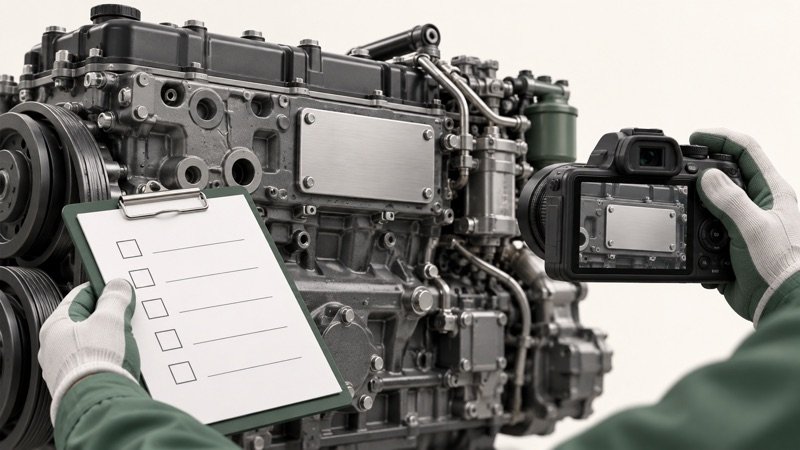
For a replacement, attach the existing nameplate, serial information and installation details. State the problem being addressed and which equipment must remain. Our engine purchasing guide helps organize that identification. Keep engine ratings separate from the performance requirements of the complete machine or generator. Ask the responsible technical team to approve the installed system and its interfaces.
What must the quoted engine package and installation include?
I require an itemized package description. Identify whether the quotation covers a complete engine assembly, a different assembly scope or selected components. Record accessories, controls, wiring, cooling, starting equipment and other requested items as included, optional or excluded. Confirm the supplied condition and maker. The word “complete” becomes considerably more useful when it arrives with a list.
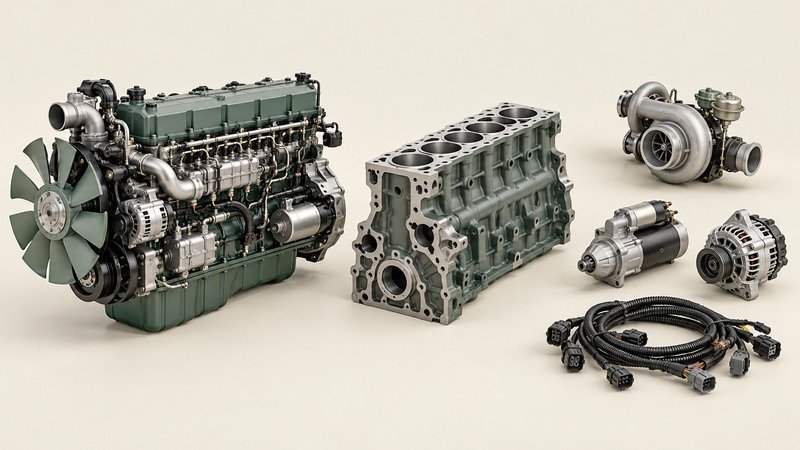
I request separate installation and commissioning estimates from the responsible provider. Identify retained, replaced and adapted items, including mounting, coupling, cooling, exhaust and controls where relevant. Ask who will approve the interface changes and acceptance plan. Record excluded site work in the budget. An accessory photograph can clarify an enquiry, but our approved specification should define the actual work and supply boundary.
How do I compare fuel and maintenance inputs fairly?
I compare fuel inputs for the same intended workload and operating profile. Caterpillar’s general fleet guidance identifies fuel consumption, idle time, production time and equipment utilization as useful data categories. This supports our measurement questions, rather than a Weichai fuel-saving claim. Request consumption evidence for the offered engine, with units, operating conditions and the relevant test or observation basis stated.
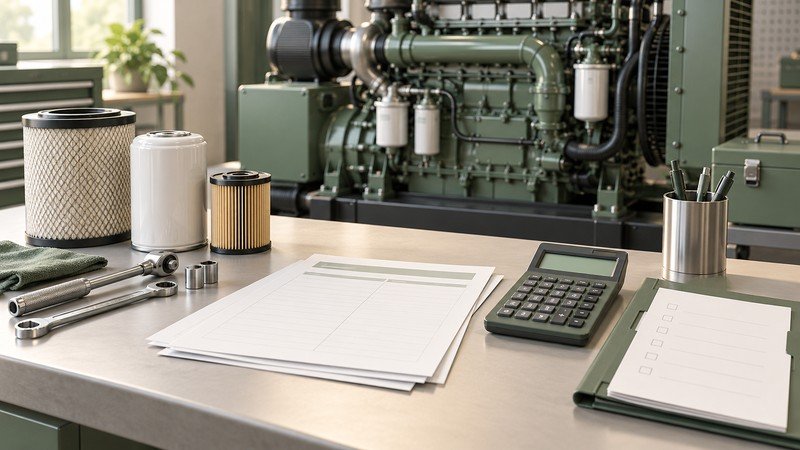
I use the actual engine’s maintenance instructions to request a servicing plan. Identify service items, quantities, intervals, labor and the parts supply route. Confirm local prices and availability for the planned requirement. Mark projected repair costs separately from scheduled servicing. Ask whether the operating estimate assumes the same working hours and useful output for each proposal. A lower fuel estimate is meaningful only when its assumptions are visible.
Which condition, support and destination evidence should I verify?
I verify the offered unit’s identity and declared condition. Request records appropriate to a new, used or remanufactured offer, with agreed acceptance evidence tied to the actual unit. For parts represented as genuine, Weichai’s official verification guidance describes anti-counterfeit marks and overseas dot-matrix photo verification. Origin checks do not establish complete-engine condition, fitment or measured operating performance.

I check the support provider and written warranty terms. Weichai’s service network lists regional contacts, providing a route to investigate actual support. Confirm coverage for the model, purchase channel and destination. Request claim procedures, exclusions and responsibility for overseas labor, diagnostics and parts. Have the supplier and local adviser confirm required destination documents for the exact application; a catalogue emissions label is only one input.
How do I build a comparable total cost budget?
I build one budget using the same period, currency and scope. Weichai’s aftermarket framework discusses vehicle buying, using, maintaining, repairing and replacing. I use that lifecycle perspective to organize this engine comparison, without assuming a service package is available for our order. ITA’s pro forma guidance identifies item prices, payment terms, weights, dimensions, delivery point and validity as useful quotation fields. The table below makes the evidence status visible.
| Cost line | Input I request | Evidence status |
|---|---|---|
| Engine supply | Exact assembly scope, condition and itemized price | Confirmed quotation |
| Delivery and packing | Agreed place, shipment data and freight/local charges | Quotation or estimate |
| Installation | Reviewed interfaces, site work and commissioning scope | Reviewed quotation |
| Fuel operation | Working profile, consumption basis and fuel price | Measured or supported estimate |
| Scheduled servicing | Exact-engine plan, parts, labor and supply route | Quotation or estimate |
| Repairs and downtime | Defined scenarios with stated assumptions | Separate scenarios |
| Residual value | Buyer estimate if used in the comparison | Uncertain scenario |
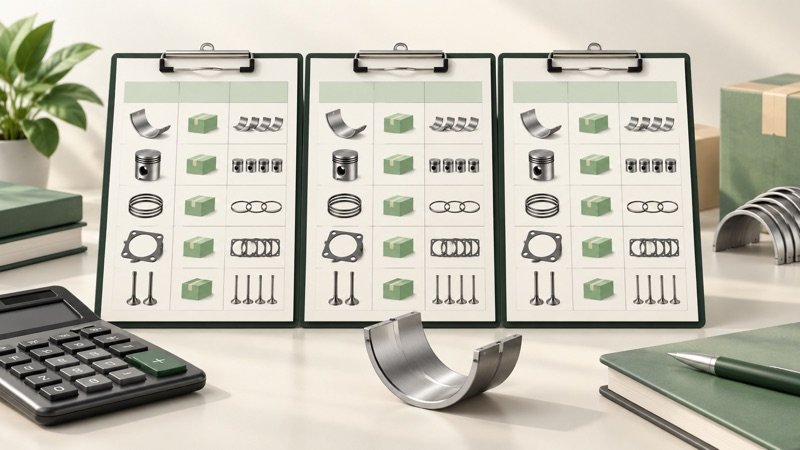
For our planning subtotal, I add purchase, delivery, installation and the estimated fuel and scheduled servicing costs over the chosen period. Keep repair, downtime and residual-value scenarios separately identified. ICC’s Incoterms 2020 guidance explains cost, risk and responsibility allocation. State the agreed rule, version and named place. Ask finance to review uncertain future costs where material. Missing inputs remain pending rather than quietly turning into zero.
What should our RFQ and approval record contain?
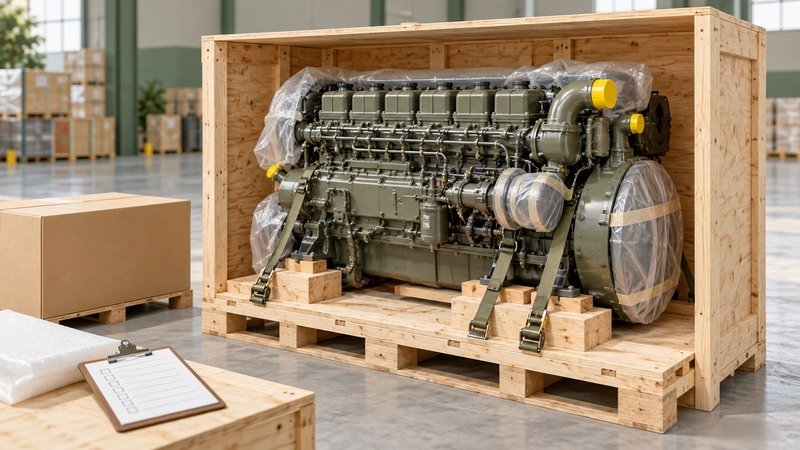
I issue one RFQ with the checklist below and ask suppliers to declare deviations. Agree inspection or testing, acceptance records and who approves the supplied configuration. For dispatch, ITA’s packing-list guidance describes package contents, weights and measurements. Reconcile these records with the engine and included items. Confirm packing responsibilities, document deadlines and the agreed shipment schedule before releasing the order.
- Application, full engine identification, condition and quantity
- Required engine scope, accessories and declared exclusions
- Reviewed installation interfaces and acceptance responsibilities
- Operating profile, maintenance plan and comparison period
- Itemized prices, evidence status and written support terms
- Destination, delivery rule and place, packing and requested schedule
Send the engine or parts enquiry through our contact page with clear identification, application and requested scope. For planned maintenance items, our ten-part repair checklist helps organize references and quantities. Keep complete-engine supply commitments with the named seller and installation approval with the responsible integrator. Approve one consistent technical specification and cost record, resolving outstanding budget items before purchase.
Conclusion
I assess engine value through application fit, documented supply scope and a transparent budget. Confirm operating inputs, condition, support and delivery responsibilities. Send us clear engine or parts identification to organize the enquiry. Approve the technical proposal and cost assumptions with the responsible reviewers before placing the order.