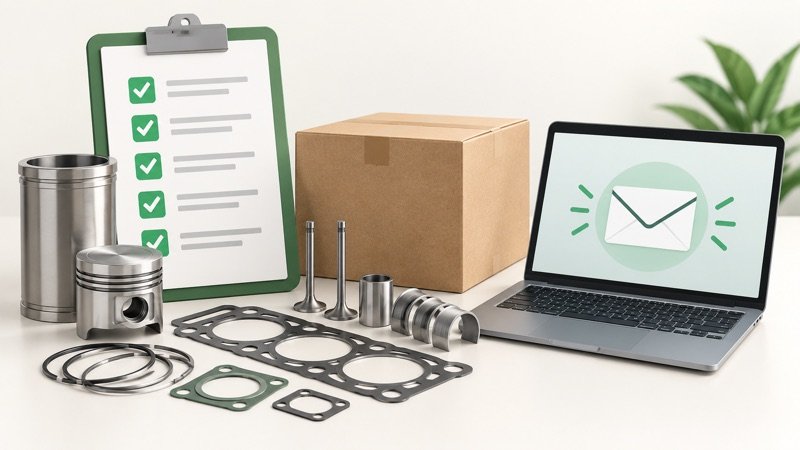
A forklift quotation can look persuasive before anybody asks what the truck must actually lift. The engine name sounds familiar. The price looks friendly. Then a bulky pallet, a narrow aisle or an unspecified attachment changes the conversation. Overseas buyers need more than an attractive machine photograph and a cheerful discount. I prefer to settle the application first. At Weichaistore, we recommend documenting the truck, its Weichai engine and the purchasing responsibilities before comparing offers. This guide provides that framework.
I choose a Weichai-powered forklift by confirming the actual truck manufacturer and model, then matching documented capacity, load center, lift height and attachments to the job. I check whether the power source suits our site and duty cycle. I compare identical configurations, shipment scope and expected operating costs. Before approval, I request unit identification, acceptance evidence and written support responsibilities. For maintenance inquiries, we need engine identification and component details; the complete truck requires confirmation from its manufacturer or supplier.
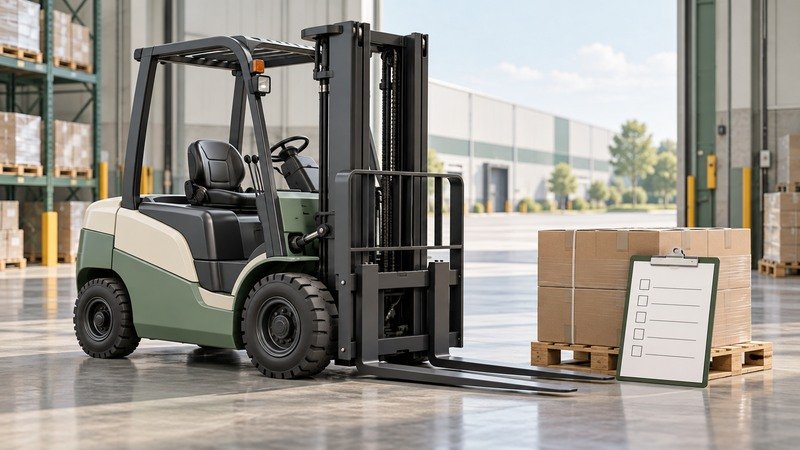
Below are six questions I would resolve with our purchasing and technical teams. We will turn a broad forklift inquiry into clear requirements, comparable quotations and an accountable approval process.
What does a Weichai-powered forklift actually identify?
I identify the complete forklift and its engine separately. Weichai’s official WP3.2 forklift engine page describes an engine family used in forklift applications. That establishes a useful starting point, not the identity of every complete truck advertised with a Weichai engine. Request the forklift maker, full truck model and engine code. For an existing machine, collect both identification plates and serial numbers. A familiar engine name cannot complete an unfamiliar specification.
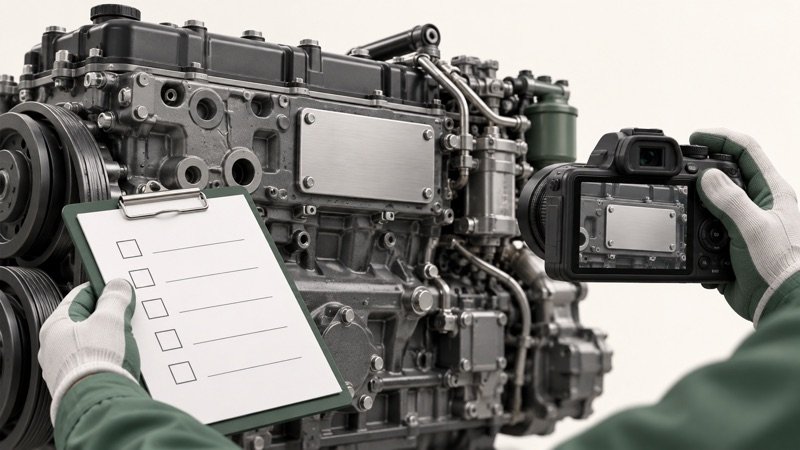
I ask whether the inquiry concerns a complete truck, a replacement engine or maintenance parts. Record condition and configuration. The actual forklift manufacturer or supplier must confirm the whole truck’s specification and supply offer. When a buyer contacts us for engine or parts support, I want those identification details first. They give the inquiry a usable direction instead of sending everybody on a catalogue treasure hunt.
Which capacity, mast and attachment details must I confirm?
I match capacity to the actual load, not merely the advertised tonne figure. Toyota’s load-center guidance explains the importance of the data plate and the load’s center of gravity. It also notes that attachments can change that relationship. Ask the forklift manufacturer to confirm capacity for the proposed load center, lifting height, mast and installed attachment. Engine power is not a shortcut for calculating an approved lifting capacity.
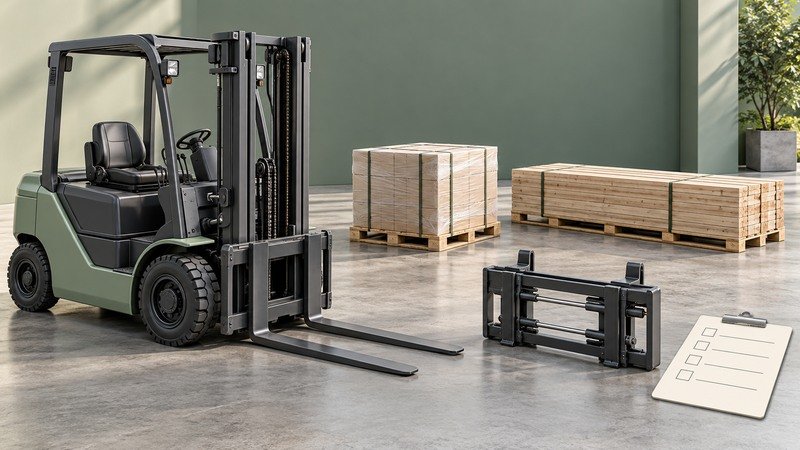
I send the heaviest load’s weight, dimensions and packaging details to the technical reviewer. Include unusual load shapes and the requested forks, side shift, clamp or other attachment. Obtain the manufacturer’s applicable capacity information for that exact combination. If the proposal changes after review, repeat the confirmation. A truck that meets one pallet requirement should not silently inherit another. The specification must describe the actual job.
Does the proposed power source suit our site and shifts?
I choose the power source around the operating environment and shifts. Toyota’s energy-selection guide considers temperature, facility space and energy infrastructure, and notes that electric trucks can serve outdoor applications. Diesel should therefore earn its place in the comparison. Describe indoor and outdoor use, working hours, refueling arrangements and available charging infrastructure. Ask the responsible supplier to confirm the proposed configuration against the destination and site requirements.
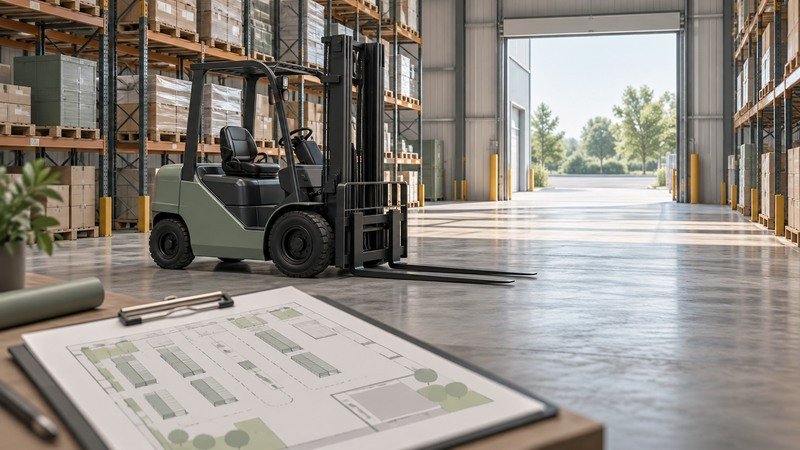
I also document the route, floor condition, ramps, aisles, doors and loading areas. Toyota’s forklift buying guide highlights aisle width, lift height and lowered mast height, including trailer access. We should have the technical team check the offered dimensions and tyre choice against our layout. Include dust, rain, temperature and any special operating conditions in that review. The forklift should fit the workplace, rather than requiring the workplace to apologize.
How do I compare forklift quotations and operating costs?
I compare quotations for the same truck configuration and a clearly stated delivery basis. Identify the mast, forks, attachments, tyres, cabin equipment and any excluded items. ICC’s Incoterms 2020 guidance explains the allocation of costs, risks and obligations. Where we agree a trade rule, record its version and named place. Keep payment, inspection and warranty arrangements explicit as well. The shortest quotation is rarely the easiest one to approve responsibly.
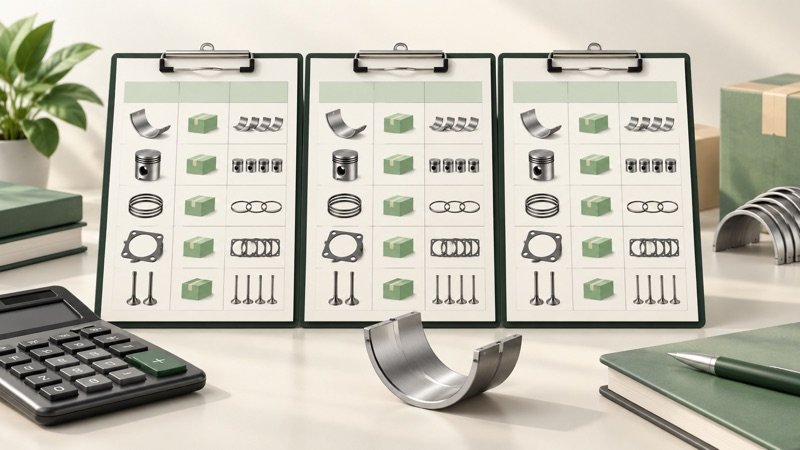
I then build our own cost worksheet for the expected operating period. Separate the purchase and shipment from fuel or electricity, servicing, tyres, repair provision and potential downtime. Use estimates tied to our shifts, local prices and the specific proposal. Mark assumptions that still need evidence. A lower purchase price may still be attractive; I simply want it to survive the rest of the arithmetic.
| Comparison line | What I need confirmed |
|---|---|
| Truck configuration | Maker, model, condition, mast, forks and attachments |
| Application fit | Capacity information, site dimensions and duty requirements |
| Purchase and shipment | Included items, packing, freight and named delivery place |
| Operation | Energy assumptions, servicing, tyres and repair provision |
| Support and downtime | Acceptance plan, warranty route and local service arrangements |
What acceptance evidence and overseas support should I request?
I request an acceptance plan and a named support route before shipment. Link identification photographs and inspection records to the proposed truck and engine. Agree which checks the qualified inspector will perform, what documents the buyer will receive and how differences from the approved configuration will be resolved. Where practical, request a manufacturer-supported demonstration for the intended application. A generic video can introduce a forklift. It cannot accept a specific overseas order on our behalf.
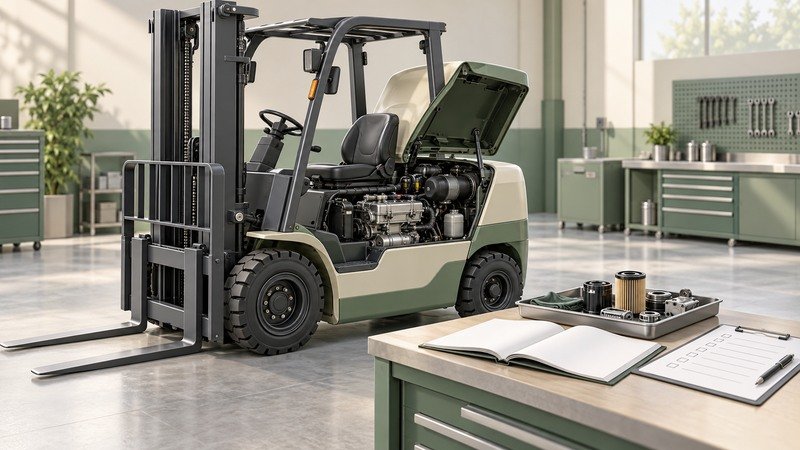
I ask for the written warranty terms, responsible party, claim procedure and agreed overseas costs. Request the relevant manuals, service contact and model-specific parts information. Keep truck, engine and attachment responsibilities distinct. For maintenance procurement, our Weichai parts buying guide explains how we organize identification and quotation scope. Warranty adjectives sound pleasant; a clear claim process is more useful.
What should I put in the RFQ before overseas dispatch?
I put technical requirements and commercial expectations into one RFQ. Include the destination, quantity, requested date, packing proposal and shipment responsibilities. Ask the supplier for packed dimensions and weight, quotation validity and the estimated shipping date. These are useful comparison fields in the International Trade Administration’s pro forma invoice guidance. Keep the anticipated dispatch separate from any agreed arrival commitment. Before release, reconcile the final offer, identification records and inspection outcome with the approved configuration.
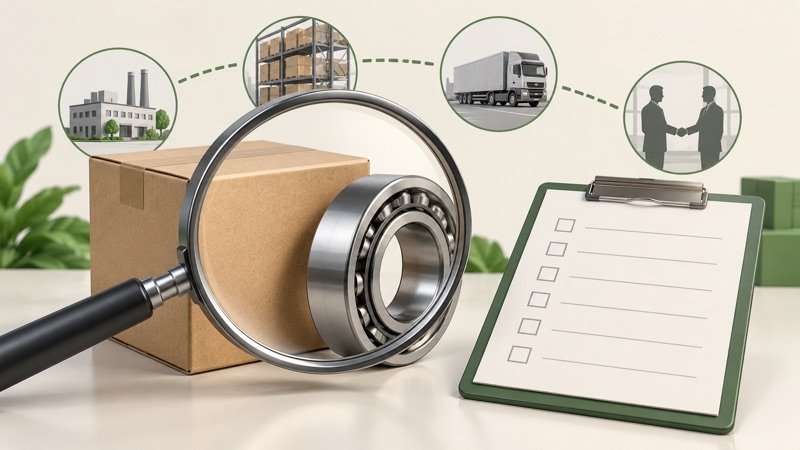
Send engine or maintenance-parts questions through our contact page, with readable plates, component references, photographs and destination. Our Weichai engine buying guide can help organize an engine replacement inquiry. For a complete forklift, obtain the final truck configuration and commercial offer from the responsible manufacturer or supplier. Use the RFQ checklist below to keep unanswered questions visible. Clear information helps each party answer the purchasing question.
- Forklift maker, model, condition and proposed Weichai engine code
- Heaviest load, dimensions, load center and required lift height
- Mast, forks, attachments and applicable capacity confirmation
- Site layout, surfaces, indoor or outdoor use and shifts
- Acceptance requirements, manuals and overseas support responsibilities
- Quantity, destination, requested date and quotation delivery basis
Conclusion
I would approve a documented forklift application before approving a discount. Confirm the truck, engine, capacity information and operating fit. Compare defined configurations and costs, then agree acceptance and support. Send us your engine or parts identification and destination to start a clearer maintenance inquiry.