A search for Weichai product categories can lead to engines, generators, warehouse equipment and individual spare parts. The difficulty begins when a buyer requests a price without defining which item the business needs. Suppliers may respond to different purchasing scopes, leaving important equipment and responsibilities outside the comparison. I start by naming the required product and its application. At Weichaistore, our engine and parts enquiries use clear identification, so overseas buyers can organize requirements before comparing offers or approving orders.
I choose a Weichai product category by identifying the job and the item being purchased: an engine, complete generator set, whole machine, powertrain assembly or replacement part. Record the maker, exact model, application, condition and quantity. Define included equipment and exclusions. Ask the responsible provider to confirm suitability, supporting evidence and destination requirements. Compare quotations for the same scope and check the actual service route. Send us identified engine or parts requirements, while complete-equipment commitments remain with the named seller.
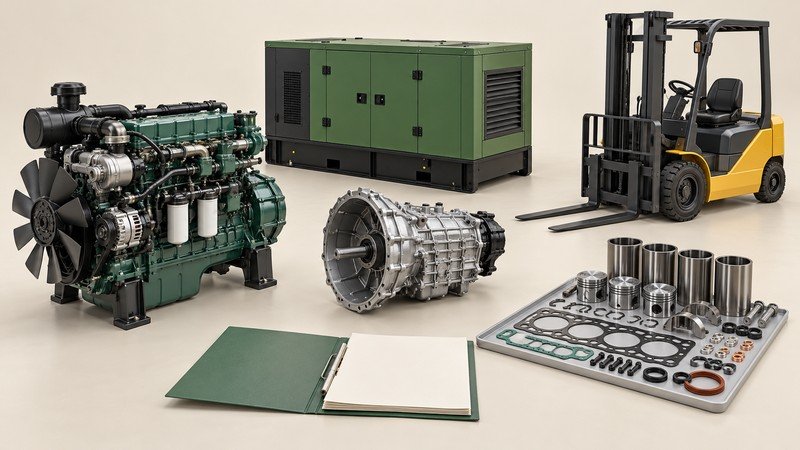
This guide maps five purchasing scopes and the information each enquiry needs. I then explain how our buyers distinguish products, compare evidence and prepare a request that suppliers can answer.
What does the Weichai product range mean for my enquiry?
I use the official range as a navigation aid. Weichai’s product catalogue separates powertrain systems, commercial vehicles, agricultural equipment, construction machinery, intelligent logistics, marine mobility, energy and power, and aftermarket products. These are group product areas, not a single interchangeable machine or our inventory list. The table below groups common buying scopes for practical enquiries. Confirm the named maker and actual offered product within the relevant category.
| Purchasing scope | Information I request | Scope to confirm |
|---|---|---|
| Engine | Application, full model, condition and quantity | Assembly level and accessories |
| Complete generator set | Set model, duty, electrical requirements and site | Engine, alternator, controls and enclosure |
| Complete machine | Equipment maker/model, task and configuration | Whole machine and attachments |
| Powertrain assembly | Maker, identification and interfaces | Matched assembly and included items |
| Repair parts or kit | Installed engine, approved references and quantities | Individual items and package contents |
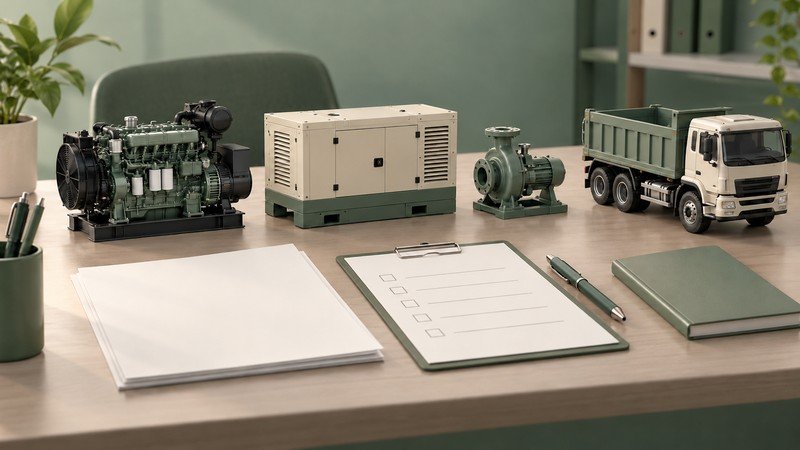
I ask the buyer to describe the task before selecting a product name. Are we replacing an existing engine, buying an electrical supply package, equipping a warehouse or ordering repair components? State the installed equipment, operating conditions and required output where relevant. Attach existing nameplates for replacements. Treat product photographs as supporting identification. They should not substitute for the exact model or technical review. A catalogue category is a starting point, not a purchase specification.
Should I request an engine or a complete generator set?
I separate an engine enquiry from a complete generator enquiry. For an engine, specify the intended equipment, actual model and suffix, condition, required assembly scope and accessories. For electrical generation, request the complete set configuration and its declared ratings. Weichai’s generator-set catalogue lists generator-set series separately within energy and power. Select the actual offered variant rather than transferring an engine rating into a whole-set requirement.
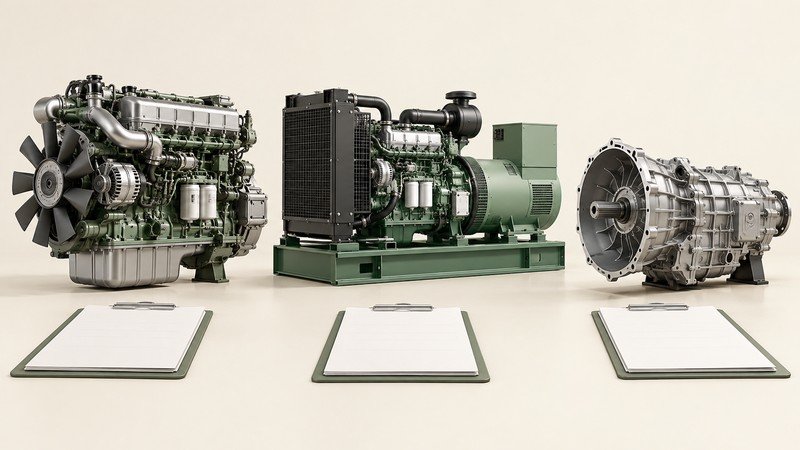
I ask the generator provider to confirm duty, electrical output, voltage, frequency, phase and included controls. Identify the alternator, starting equipment, cooling, enclosure and other requested items as included, optional or excluded. Have the responsible electrical reviewer confirm the proposed configuration for the intended load and site. Our generator buying guide develops these questions. Catalogue emissions categories and soundproofed descriptions do not settle destination acceptance or site noise requirements.
How do I identify a forklift or other complete machine?
I identify the complete machine maker and model separately from its engine. Weichai’s intelligent-logistics catalogue lists forklift and intralogistics offerings, with links to specialist product providers. That does not identify the drive system or supplied configuration of a particular warehouse truck. Ask for the actual machine specification, power source, attachments and intended operating environment. Keep the machine seller responsible for confirming the offered whole-equipment scope.
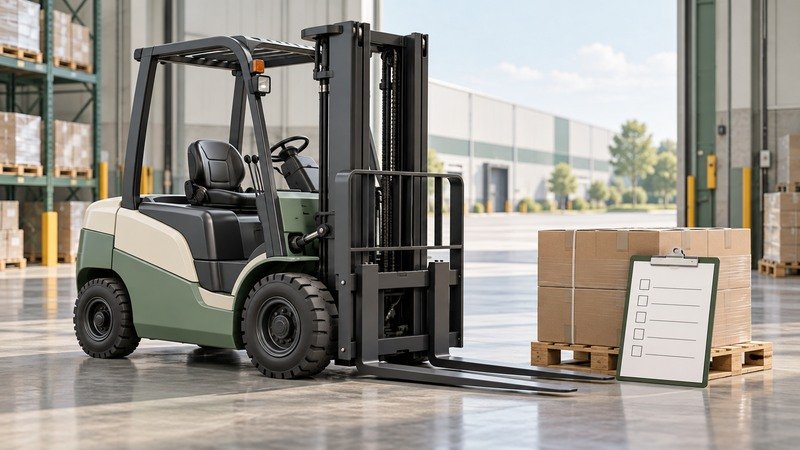
I check engine identity when the proposed machine is described as Weichai-powered. Weichai Power’s forklift engine page lists engine series for forklift applications. It is an engine listing, not proof of a complete forklift’s load capability or installation. Ask the equipment maker to confirm the actual configuration and required application evidence. Our technical reviewer should approve the full machine for the job, including relevant site and destination requirements.
When should I request a powertrain assembly or replacement parts?
I define whether the requirement is an assembly or a repair part. The powertrain catalogue distinguishes engines from components such as hydraulics, transmissions and axles. For an assembly, request its maker, full identification, interface information and included items. Have the responsible integrator confirm the match. For a repair order, start with the installed engine identity, approved part reference, required variant and quantity. A component name alone leaves too much room for a different quotation.
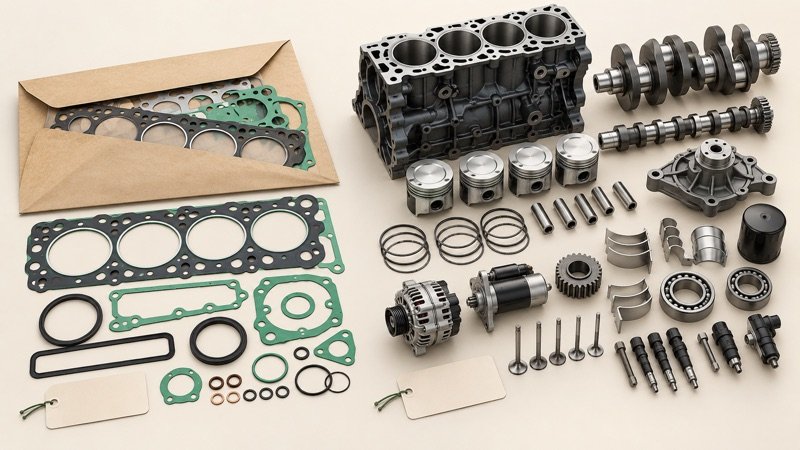
I request a clear item list for parts packages and kits. Record what is supplied, what remains outside the package and how quantities are counted. For parts represented as genuine, Weichai’s official verification guidance describes anti-counterfeit marks and overseas dot-matrix photo verification. Use that route for origin checks where applicable. Separately confirm fitment and condition. Authenticity information does not replace the engine-specific reference or an approved assembly bill of materials.
What supplier evidence should I compare before choosing?
I compare proposals after the purchasing scope is consistent. Ask each seller to identify the supplied maker, condition, specification, acceptance evidence and exclusions. ITA’s pro forma invoice guidance identifies parties, item prices, weights, dimensions, payment terms, delivery point and validity as useful quotation fields. Reconcile the commercial document with our item list. A lower total needs explanation when the proposed package is missing equipment, documentation or agreed services.
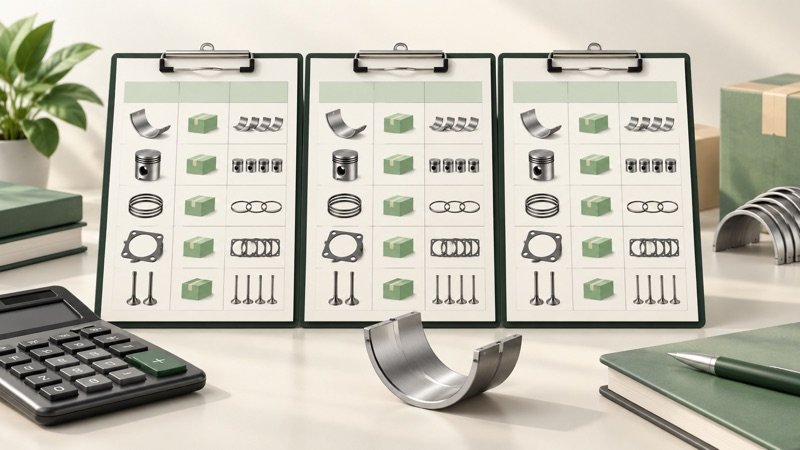
I verify support for the actual product and order. Weichai’s service network provides regional contacts for coverage enquiries; confirm model, channel and destination details. Record written warranty terms and who supports each assembly. ICC’s Incoterms 2020 guidance describes cost, risk and obligation allocation. State the agreed rule, version and named place, then confirm payment, acceptance, packing and schedule separately. Keep unresolved items visible for the responsible reviewer.
How do I turn the chosen category into a precise enquiry?
I issue one request using the checklist below, marking each requirement as confirmed or awaiting review. Invite the provider to state deviations and identify missing information before quoting. Request current evidence for the actual offered item. Keep a dated copy of the scope and quotation. If the product, condition or included equipment changes, revisit the affected requirements. “Same as the photo” is a useful conversation starter and a remarkably poor bill of materials.
- Product category, application and destination
- Complete maker/model and relevant engine or component identity
- Required condition, quantity and approved references
- Included equipment, optional items and exclusions
- Acceptance records, technical review and support questions
- Itemized quotation, delivery place and requested schedule

Send clear engine or parts identification through our contact page. Our WP10/WP12 parts catalogue can help you organize a parts enquiry; verify the individual reference against the installed engine. For complete equipment, name the proposed seller and technical reviewer. Our equipment purchase approval guide helps record the decision. Keep requirements, evidence and supplier commitments together before releasing the order.
Conclusion
I choose the product scope before comparing prices. Confirm identity, application, included items, evidence and support for the actual offer. Send us clear engine or parts requirements to organize your enquiry, with complete-equipment suitability and supply commitments confirmed by the responsible reviewers and seller.