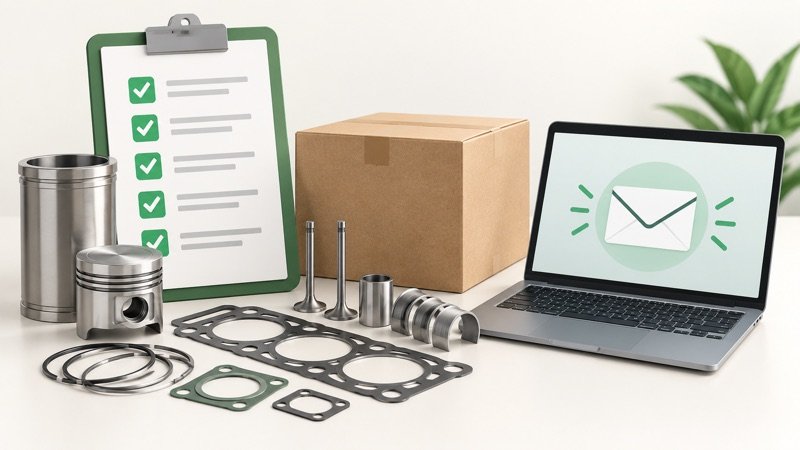
An engine upgrade can sound like a shortcut to lower operating costs. Then the quotation arrives with a bigger power figure and little explanation. Will it solve the problem? What else needs replacing? For overseas buyers, unclear scope can turn a promising purchase into installation delays and another round of invoices. I prefer evidence before enthusiasm. At Weichaistore, we recommend defining the fault, operating requirement and full project scope before comparing maintenance, overhaul or replacement options. Here is our approach.
I evaluate a Weichai engine upgrade by identifying the existing engine and equipment, recording a comparable operating baseline, and obtaining a diagnosis. I compare maintenance, repair, overhaul, remanufacture and replacement against the actual requirement. I request engineering confirmation of application and installation details, then compare the full installed cost with evidenced benefits. Before approval, I verify product origin, supply scope and acceptance responsibilities. Our engine or parts inquiry starts with identification and requirements, rather than an assumed promise of savings.
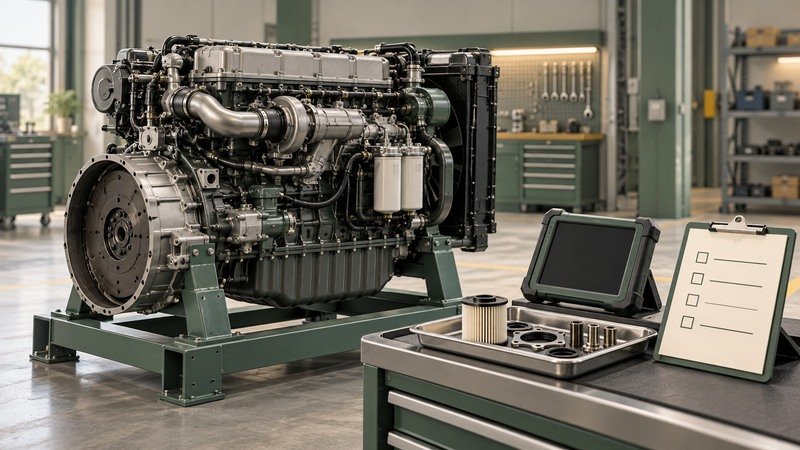
These six questions help our purchasing and technical teams build a decision together. The goal is a defined project, a comparable quotation and evidence that the proposed change earns approval.
What problem and operating baseline should I document first?
I start with the problem, not a replacement shopping list. Record the full engine model, serial number, equipment maker, application and service history. Describe symptoms and ask a qualified technician for a documented diagnosis. In its fuel-efficiency guidance, Caterpillar highlights fuel consumption, idle time, production time and utilization. Those are useful baseline categories, not evidence that a particular Weichai modification will save fuel.
I record fuel used, operating hours, workload and useful output over a representative period. For a truck, specify the route and payload. For stationary equipment, describe the load and hours. Note weather and operator practices. Decide whether the priority is consumption, recurring repairs, insufficient output or downtime. A diagnosis and a baseline prevent the purchasing team from buying an expensive answer to the wrong question.
Should I maintain, repair, overhaul or replace the engine?
I compare the smallest justified intervention with the larger alternatives. Weichai’s aftermarket approach considers the full lifecycle of buying, using, maintaining, repairing and replacing equipment. I consider more than buying a newer engine. Ask your technical reviewer which options address the diagnosed condition, what reusable components remain acceptable and which evidence supports the recommendation. A routine maintenance need should not automatically become a complete replacement order.
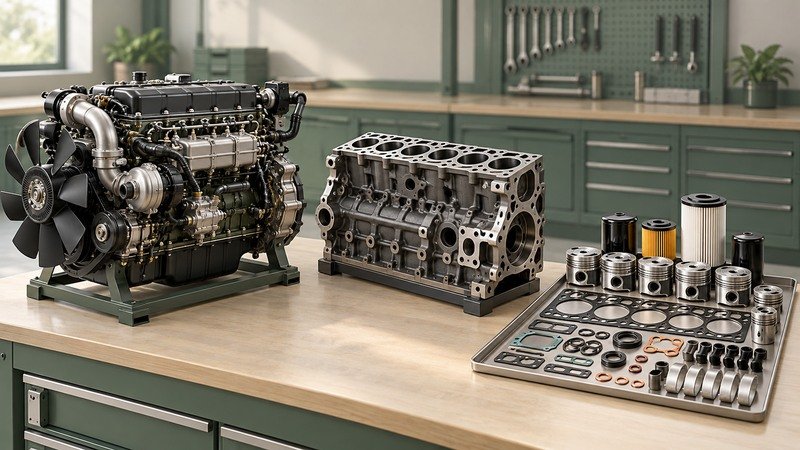
I separate maintenance and targeted repair from a workshop overhaul, a manufacturer’s remanufactured product and an engine replacement. Ask each bidder to define the work or supplied assembly, rather than hiding it behind the word upgrade. Compare expected service disruption and the equipment’s remaining useful role. Check core-return conditions where applicable. New paint is excellent at looking new; it is rather less talented at documenting an overhaul.
Which application and installation details need engineering review?
I request an application and installation review before approving an engine change. Cummins’s description of its repower process includes engineering reviews. Using that separate OEM example, I recommend having the responsible equipment maker or qualified application engineer confirm the proposed Weichai configuration. Identify required output, speed and duty, alongside mounting, flywheel or coupling, cooling, intake, exhaust and electrical interfaces.
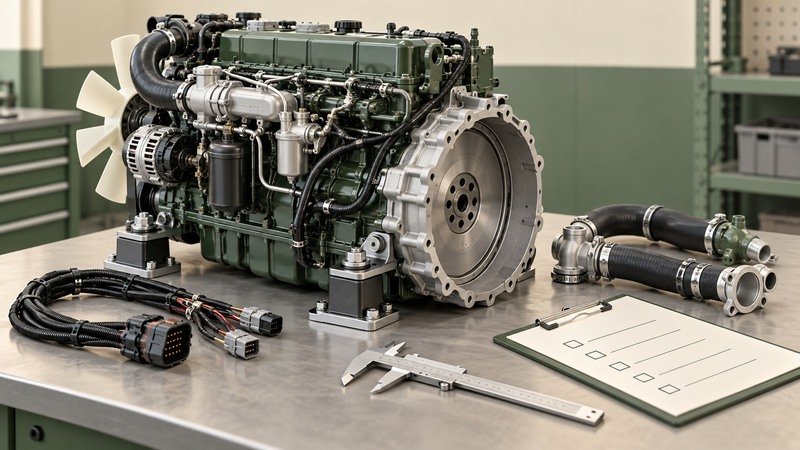
I want a written list of retained, replaced and adapted items. Include controls, harnesses, sensors, auxiliaries and any application-specific interfaces in that review. Ask who designs the changes, installs them and signs off the finished system. Confirm destination requirements for the actual configuration with the responsible parties. A shared engine family name does not establish compatibility. More power on paper is not approval to change the machine’s operating limits or control settings.
How do I compare installed cost with measurable benefits?
I compare the complete installed project, not just the engine or parts invoice. Include inspection, components, machining or fabrication, removal, installation, fluids, commissioning, shipment and any core charges. Separate confirmed prices from estimates. Use the same equipment requirement and supply boundary for every offer. Then document anticipated operating benefits against our baseline. An attractive price still needs a defined supply scope.
I calculate benefits using comparable useful output and realistic local costs. Separate measured fuel differences from estimated repair or downtime effects. Subtract any additional servicing expense. For planning, incremental installed cost divided by positive annual net savings gives a simple payback estimate. Record the assumptions, and reconsider the project if those savings are unsupported. Compare alternatives over the same period. Our worksheet should not require a magician.
| Decision line | What I need recorded |
|---|---|
| Problem and baseline | Diagnosis, fuel, hours, workload and useful output |
| Alternative | Maintenance, repair, overhaul, remanufacture or replacement |
| Installation | Interfaces, adaptations, retained items and responsible engineer |
| Project cost | Supply, installation, shipping, commissioning and core charges |
| Expected benefit | Evidence, assumptions, added service costs and comparison period |
| Approval | Product identity, acceptance records and commissioning responsibilities |
What supplier and product evidence should I verify?
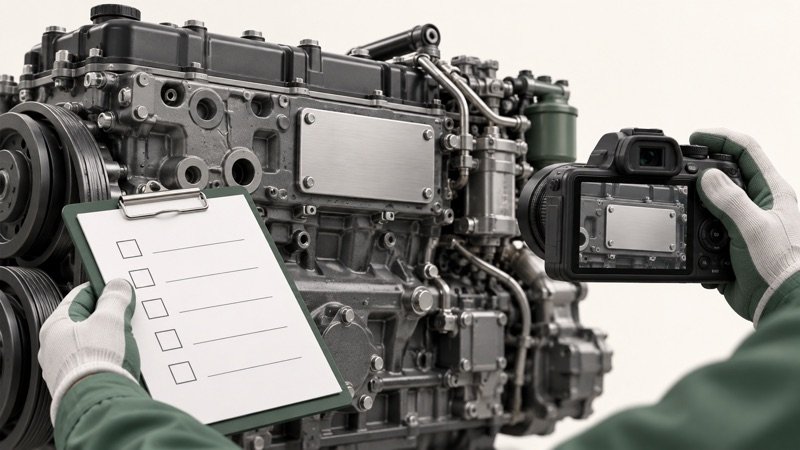
I verify the identity and condition of the product actually offered. For parts claimed as genuine, Weichai’s official verification guidance describes overseas dot-matrix photo verification. Request readable labels, packaging evidence, component references and supplier details. Authenticity verification addresses origin; it does not establish fitment, dimensions or the right repair scope. Keep those confirmations separate. Ask for inspection records linked to the specific assembly or order rather than accepting an unrelated photograph.

I ask what remanufactured means in the specific offer. Weichai describes its own remanufactured engines as following new-product assembly standards and factory testing protocols. That description does not prove that every rebuilt engine follows the same process. Request the actual manufacturer, model, supplied scope and relevant test report. Agree core-return terms and written warranty responsibilities for the destination. Our parts buying guide helps organize the component and quotation details.
What acceptance plan and RFQ should I agree before dispatch?
I agree acceptance criteria before dispatch and a comparison plan after installation. Have the qualified reviewer define safe tests, required measurements and the records the buyer will receive. Compare before and after results under sufficiently similar workload, output and operating conditions. Record differences rather than calling every fuel reduction an efficiency gain. A machine doing less work can burn less fuel. Confirm who resolves inspection differences and who approves commissioning against the agreed application.
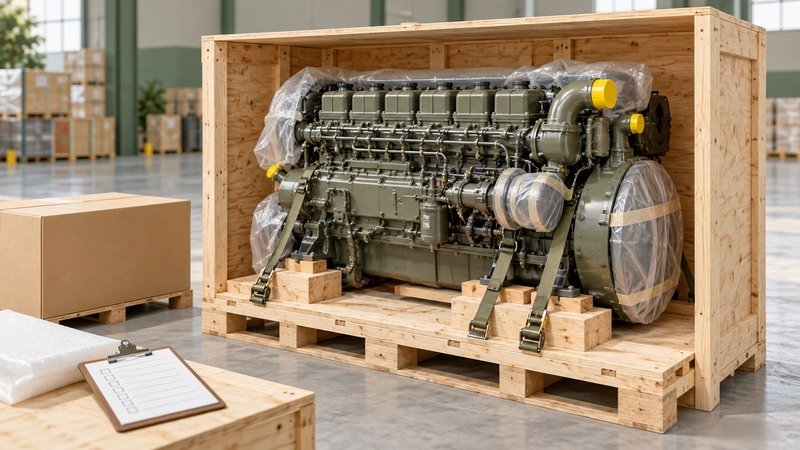
I send one RFQ covering identification, diagnosis, technical scope and commercial expectations. The International Trade Administration’s quotation guidance includes item prices, weights, dimensions, delivery point, payment terms, estimated shipping date and validity. Request those fields alongside packing and acceptance arrangements. Our engine buying guide helps structure a replacement inquiry. Send the RFQ through our contact page for engine or parts questions, while installation and application approval remain with the responsible technical parties.
- Full engine model, serial number, equipment identity and application
- Diagnosis, service history, workload and recorded operating baseline
- Requested option, component references and defined supply scope
- Installation review, interface details and responsible technical parties
- Inspection criteria, test evidence, manuals and written support terms
- Quantity, destination, requested date, packing and quotation delivery basis
Conclusion
I would approve a defined solution before approving an upgrade label. Diagnose the problem, compare the alternatives and document fit, installed cost and acceptance. Send us the engine identification, component requirements and destination to start an engine or parts inquiry grounded in the actual job.